

In today's fast-paced environment, remaining hydrated is crucial. With the increasing recognition around health and wellness, having quick access to purified and cool water can make a significant difference in our daily lives. This is where water dispensers come into play, offering a convenient solution for households and workplaces alike. Whether you're looking for immediate hydration or wanting to motivate your loved ones or coworkers to drink more water, a water dispenser can be your elegant and functional companion.
Featuring a variety of options available, understanding the different types of water dispensers and the characteristics can help you make an educated choice. From freestanding models to countertop designs, and classic bottled dispensers to sophisticated plumbed-in units, each type serves different needs and preferences. This article will delve into the definition of a water dispenser is, explore the various kinds available, discuss key features, and describe how these devices work to ensure you have the liquid refreshment you need at your fingertips.
Types of Water Dispensers
Liquid dispensers come in several kinds, each designed to accommodate different needs and settings. The most typical kinds are bottleless water dispensers, which link directly to a water line and provide a steady supply of filtered water. These dispensers get rid of the need for heavy bottles, making them a convenient option for offices and homes. Another well-liked choice is the bottled water dispenser, which utilizes large water bottles, typically ranging from five to ten gallons. This type is perfect for locations without water lines and is often found in break rooms and kitchens.
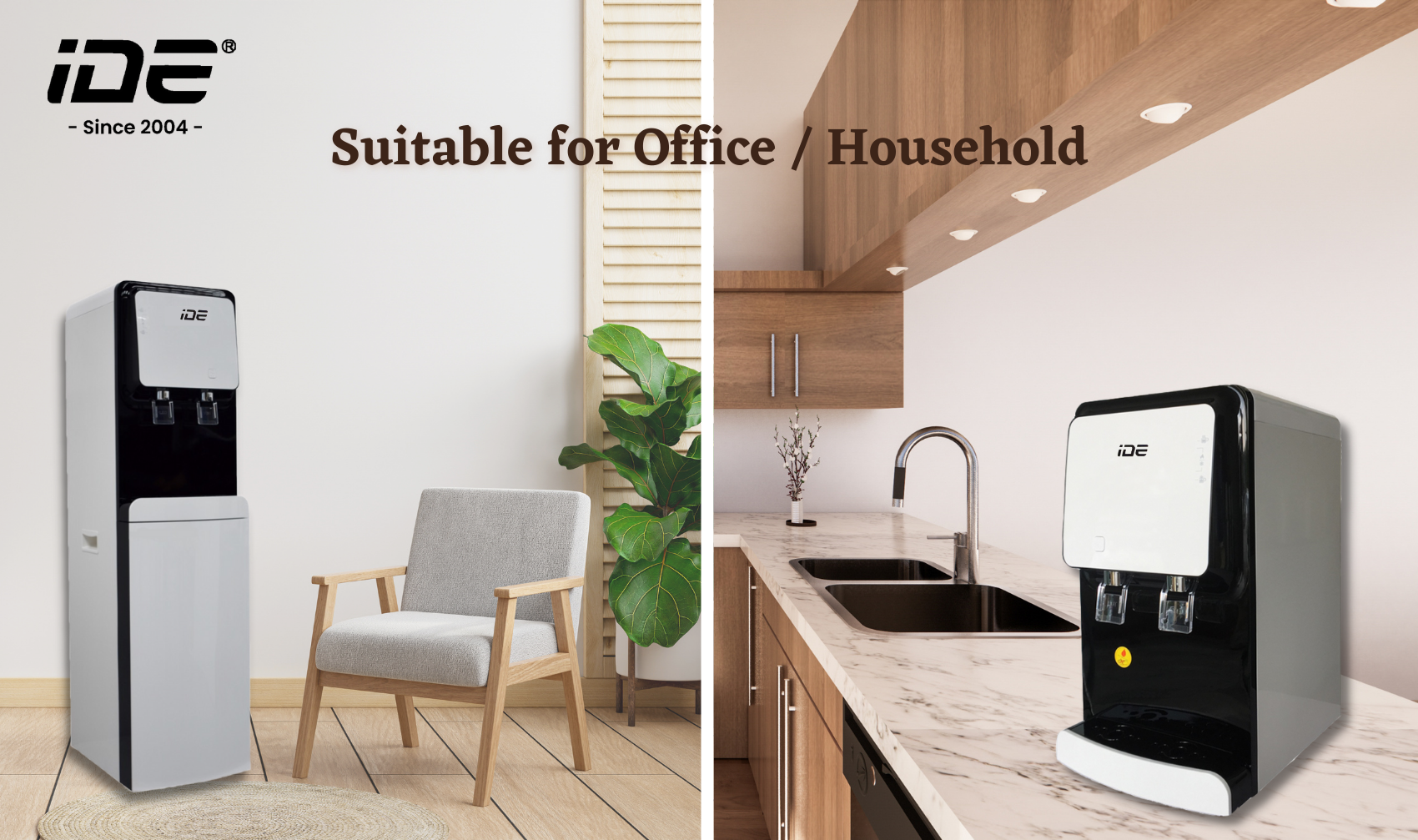
Another option is the countertop water dispenser, which is compact and made for limited spaces. These dispensers often come with either bottle-fed or bottleless options and are perfect for apartments or little offices. They provide convenient access to water while preserving valuable floor space. Additionally, there are standalone models that offer both heated and chilled water, satisfying to larger groups or families that require increased volumes of drinking water.
For those wanting added ease and functionality, advanced water dispensers have arrived as a current solution. These sophisticated units often feature hands-free controls, temperature settings, and even integration with smart home systems. With the ability to dispense water at the tap of a button or through spoken instructions, these dispensers enhance the user experience while promoting hydration effortlessly.
Pros of Liquid Dispensers
Coolers offer a accessible source of hydration, making it simple to access cool drinking water at all times. With a quick push of a button, users can refill their glasses, which promotes frequent water drinking throughout the day. This benefit is particularly beneficial in offices, schools, and busy households where individuals may not have the time to heat water or reload water containers continuously.
A further significant benefit of water dispensers is the options of alternatives they provide in terms of water temperature. Many models offer both hot and cold water, allowing users to enjoy chilled cold drinks or prepare hot beverages like tea and coffee with effortlessness. This adaptability caters to varied preferences and needs, enhancing the overall user interaction and making the dispensers suitable for multiple settings.
Furthermore, water dispensers contribute to ecological sustainability by reducing the reliance on one-time plastic bottles. By promoting users to refill their reusable bottles directly from the dispenser, they minimize plastic waste and promote more sustainable practices. This factor is progressively important as society becomes more aware of the ecological impacts of plastic waste and seeks effective solutions.
Choosing the Perfect Water Dispenser
Choosing the right water filler involves evaluating various factors that satisfy your demands. First, assess the kind of filler that most matches your environment. Bottled water dispenser hot and cold are perfect for residences or areas lacking a direct water supply, while plumbed fillers require plumbing but provide a more lasting solution. Moreover, consider the filler's capacity; if you have a big family or host frequent gatherings, a model with a higher water storage capacity will be helpful.
Afterward, consider the attributes that align with your lifestyle. Some water fillers come with heated and chilled water options, which are fantastic for preparing beverages or cooking. Other models may come with high-end filtration systems that provide clean drinking water. Look for dispensers with simple controls, energy-saving settings, and safety features, especially if children will be handling the device.
In conclusion, evaluate the appearance and size of the water filler to ensure it works well inside your space. Consider where you wish to set it and if you need a tabletop or a freestanding model. Aesthetics matter as well; choose a design that complements your home. By taking these factors into your decision, you can make an informed decision and find a water dispenser that boosts your liquid experience.
Maintenance and Care
To guarantee your water dispenser operates efficiently and provides safe drinking water, consistent maintenance is crucial. Begin by cleaning the surface, which includes the drip tray and faucet, with a light detergent and cloth to get rid of any dust or spills. It is also important to clean the exterior regularly to keep it looking new. For models with interchangeable components, including the water bottle holder, disassemble them and wash them occasionally to reduce buildup of bacteria.
Water dispensers should be thoroughly cleaned every few months. This involves scrubbing the interior surfaces with a blend of water and vinegar or a specialized appliance cleaner. Be sure to adhere to the manufacturer’s guidelines for removing and reassembly to prevent damaging any parts. Flushing the system with clean water after cleaning makes sure any cleaning solution is fully washed out and does not affect the flavor of the water.
Additionally, keep an eye on the water supply and swap out bottles or top off tanks as needed. Regularly check for any leaks or technical issues, and check the air filter if your model uses one. Staying on top of these maintenance tasks will not only prolong the life of your water dispenser but also confirm that the water you use remains fresh and pleasant.
Eco-Friendly Effects
Water dispensers play a significant role in encouraging sustainable hydration solutions by decreasing the reliance on single-use plastic bottles. Many customers transition to using purified water dispensers, which reduce the waste generated from single-use containers. By utilizing refillable water bottles, individuals can decrease their carbon footprint and help fight plastic pollution.
Additionally, some water dispensers come equipped with energy-saving features that contribute to their eco-friendliness. These units can use less power, both in heating and chilling water, when compared to old-fashioned methods of storing and heating water. This effectiveness not only reduces utility bills but also reduces the environmental impact associated with energy use.
Lastly, the type of water used in dispensers can significantly influence environmental outcomes. While some buyers opt for bottled water, many dispensers are designed to work with faucet water, thereby cutting down on transport emissions and plastic waste. By opting for water dispensers with sustainable practices in mind, users can make a favorable impact on the environment while enjoying easy access to hydration.